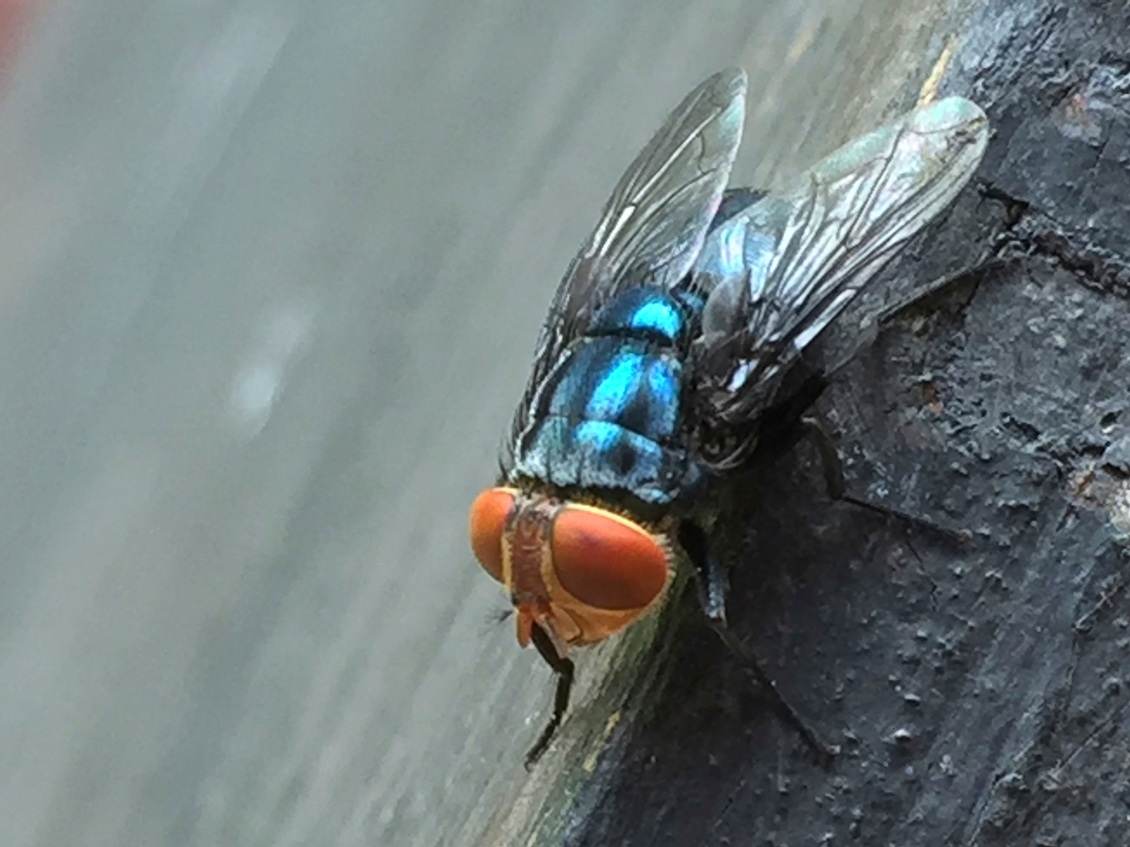
Although this parasitic fly has now been found in the United States, it does not currently threaten Tennessee
KNOXVILLE, Tenn. – The New World Screwworm is a species of blowfly that can be a threat to U.S. livestock, wildlife, companion animals and humans. University of Tennessee Institute of Agriculture experts continue to recommend monitoring livestock and pets and treat open wounds promptly.
The U.S. Department of Agriculture’s Animal and Plant Health Inspection Service (APHIS) confirmed detection of New World Screwworm, also called NWS, in a calf in Zavala County, Texas. Larvae were found in its umbilical area.
Females of the parasitic fly are attracted to open wounds, where they lay their eggs. The larvae, or maggots, of New World Screwworm bore into and feed on the living tissue of the host. All warm-blooded animals are at risk, including livestock, pets and wildlife. Humans also can be affected, although it is rare.
New World Screwworm is not directly contagious between animals or between animals and humans, and it is not spread through meat, poultry or dairy products.
NWS is a tropical species unable to overwinter in temperate regions, including Tennessee. Cooperative efforts eradicated this fly from North and Central America, and continued cooperative efforts helped eradicate this fly when sporadic cases occurred among cattle and deer.
It is important to monitor your animals, especially livestock. Regularly inspect animals for signs of larval infestation, such as unexplained wounds, foul odors or behavioral changes. Specifically, keep an eye out for wounds or body openings (such as nose, ears, umbilicus or genitalia) that are draining or enlarging, maggots in wounds, and animals that appear depressed, go off feed or separate themselves from the herd.
If you travel to an infested zone in Texas with an animal, then be sure to thoroughly inspect animals before returning to Tennessee.
If you think you have found a screwworm, report it immediately to your state animal health official (Tennessee State Veterinarian at 615-837-5120 or the USDA Area Veterinarians in Charge at 615-517-2642). On weekends and evenings, please contact 866-536-7593. Suspicious cases will be evaluated, and samples may be submitted to the laboratory for confirmation. The Tennessee Department of Agriculture Animal Health Division will assist veterinarians with sample collection and submission.
For more information, refer to the University of Tennessee Extension publication Species Highlight: New World Screwworm and the USDA APHIS website Screwworm.gov. To learn more about how USDA is responding to this pest, review the USDA New World Screwworm response playbook.
The University of Tennessee Institute of Agriculture is comprised of the Herbert College of Agriculture, UT College of Veterinary Medicine, UT AgResearch and UT Extension. Through its land-grant mission of teaching, research and outreach, the Institute touches lives and provides Real. Life. Solutions. to Tennesseans and beyond. utia.tennessee.edu.