Hurry! Deadline to register is June 8
KNOXVILLE, Tenn. – While ticks are found year-round in Tennessee, warmer temperatures lure us outside into tick country. With the beginning of summer camping and weekend boat days along the river, it is important to take the time to prevent and reduce contact with ticks and the health risks they pose.
The Medical and Veterinary Entomology Team at the University of Tennessee Institute of Agriculture is organizing workshops for community members, livestock producers, agricultural professionals, students and outdoor enthusiasts. The “Tick Ready Tennessee Workshop Series” is a new educational program focused on tick identification, tick-borne diseases and practical prevention strategies for humans and animals. Katy Smith, UTIA veterinary entomology education specialist, describes these workshops as “for individuals of all experience levels. The team will provide participants with foundational knowledge of ticks, tick-borne diseases and practical skills for surveillance and response using a One Health approach.”
The one-day workshops will be held in three locations across Tennessee: Knoxville (June 15), Spring Hill (June 16), and Jackson (June 17). The workshops last from 9 a.m. to 5 p.m. Seats are limited. Register online by Monday, June 8 or email Katy Smith at katvsmit@utk.edu . Location and event details will be emailed to people who register.
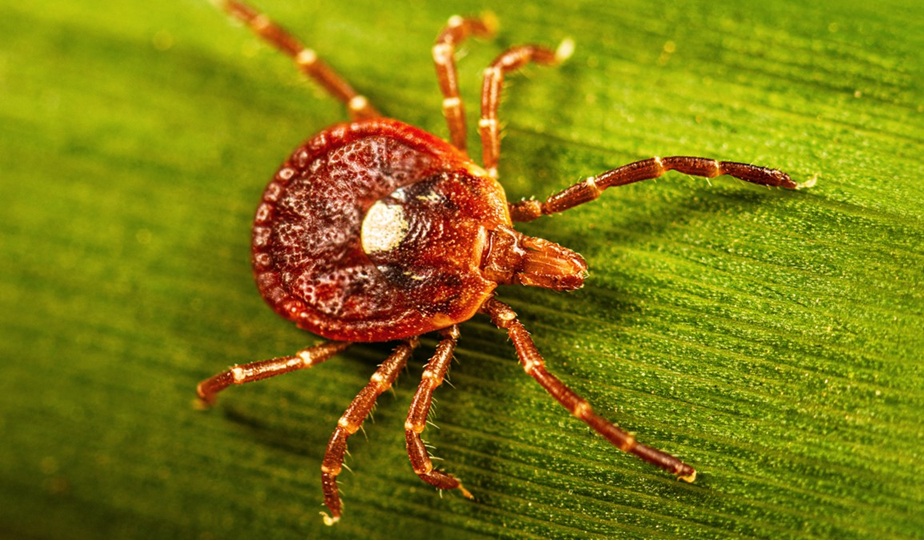
While there are many species of ticks in Tennessee, the five that are common on us and our pets are: Lone star ticks, American dog ticks, Black-legged ticks, Gulf Coast ticks, and longhorned ticks.
These blood-feeding pests can cause a life-threatening allergic response (known as Alpha-gal syndrome), cause tick paralysis and can transmit a variety of pathogens, including Lyme disease, Rocky Mountain Spotted Fever, Ehrlichiosis and Anaplasmosis. “Because some pathogens can be transmitted quickly when a tick bites, it is important to know how to protect yourself before you are exposed,” said Angela Tucker, UTIA medical entomology education specialist. “The longer a tick is on your body, the more likely it is to attach to you, feed and potentially transmit a disease-causing pathogen.”
Tick populations in Tennessee are increasing, and the home ranges of many species are expanding. “Because of this, ticks are encountered more frequently, including in residential backyards,” said Becky Trout Fryxell, professor in the Department of Entomology and Plant Pathology. “In most places we look for ticks, we find them. So, it is important to be tick aware for yourself, your family and friends, and your pets too. We like to remind people that it is not the tick that you find that is the problem; the tick you do not find is the most dangerous.”
Here are some tips to prevent tick exposure:
- Wear light-colored clothing to see ticks better. Make sure you wear long pants and tuck your long-sleeved shirt into them to make it harder for a tick to find you. Use a sticky lint roller to remove ticks on your clothes.
- Use EPA-approved repellent as directed on the label.
- Avoid areas where ticks are likely to be, such as shaded, overgrown, grassy, and wooded areas. Like us, they dry out in open, sunny areas.
- After you return from being outside, inspect your body for ticks and shower within two hours.
- Put clothes and washable gear in a dryer on high heat to kill ticks and then wash them.
- Talk to your veterinarian about the best tick prevention products for your pets.
If you find a tick attached to your body:
- Use clean tweezers to grasp the tick as close to the skin’s surface as possible.
- Apply even, consistent pressure to pull the tick away from the skin. Avoid jerking or twisting the tick, as this could cause the tick’s mouthparts to remain in the skin. Avoid squeezing the back end of the tick because this could cause the tick to inject more saliva and pathogens into the bite site.
- After removal, thoroughly clean the bite wound with soap and water, rubbing alcohol and/or hand sanitizer.
- Contact a medical provider after a tick bite (or suspected bite) if you have a fever or rash within 30 days or if you have other medical concerns related to your health or infection at the bite site.
The University of Tennessee Institute of Agriculture comprises the Herbert College of Agriculture, UT College of Veterinary Medicine, UT AgResearch and UT Extension. Through its land-grant mission of teaching, research and outreach, the Institute touches lives and provides Real. Life. Solutions. to Tennesseans and beyond. utia.tennessee.edu.